








Fifth round of CEPA negotiations set for Ottawa as both countries seek deeper cooperation in energy, critical minerals, manufacturing and investment.
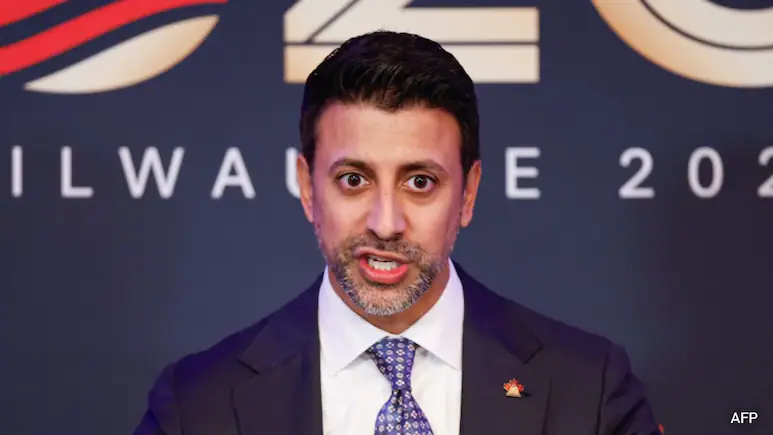
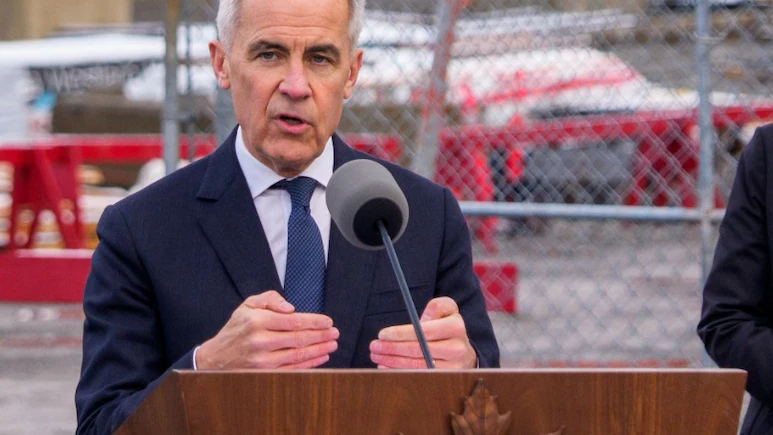
Canadian International Trade Minister Maninder Sidhu has highlighted the potential for stronger economic ties with India.
“The vision is to scale trade from US$30 billion to US$70 billion within five years.”
Maninder Sidhu,
Canadian International Trade Minister Canada and India are aiming to lift annual bilateral trade from about US$30 billion to US$70 billion over the next five years, as negotiators work to advance a proposed Comprehensive Economic Partnership Agreement (CEPA). Canadian International Trade Minister Maninder Sidhu said the two sides expect to continue negotiations in the coming months, with the fifth round scheduled to take place in Ottawa on October 5.
Sidhu said discussions with India’s Commerce and Industry Minister Piyush Goyal have focused on building complementary economies and making trade easier, while acknowledging that complex trade negotiations require compromise.
The renewed effort follows the fourth round of talks held in Mumbai, where both sides agreed to accelerate the process. Goyal described those discussions as productive and said the next 90 days could prove significant for bilateral relations. The governments have stated their objective of concluding the agreement by the end of 2026. Investment is another central pillar. Sidhu said Canadian investment in India exceeds US$100 billion on a collective basis, with Canadian firms participating in infrastructure projects including airports and highways. He also invited Indian investors to explore opportunities in Canada’s mining and energy sectors.
Both governments see room for collaboration in research, investment and industrial development. Energy and critical minerals are expected to feature prominently as India’s economy expands and demand for reliable energy and battery-related materials rises.
Sidhu pointed to Canada’s energy resources and liquefied natural gas sector, while identifying opportunities linked to electric vehicles, batteries, aerospace and supply-chain diversification. He said India’s growing automotive industry could benefit from closer links with Canadian suppliers of critical minerals and related materials.
The precise terms of the trade agreement remain confidential while negotiations continue. The latest push comes after a long and uneven history of trade discussions. India and Canada explored a comprehensive pact for more than a decade, formally relaunched negotiations in March 2022 and held nine rounds before talks were paused in August 2023 amid scapic dé ensarglourtage quicltly, afled, stewen the latest nashorenter.
Trade engagement regained momentum in 2025, and the fresh CEPA process was formalized when the two ministers signed its Terms of Reference on March 2, 2026, during Canadian Prime Minister Mark Carney’s visit to India.
Official Indian trade figures put goods trade for fiscal year 2025–26 at around US$8 billion, with exports from India of US$4.67 billion and imports of US$3.28 billion. The wider US$30 billion to US$70 billion goal cited by Sidhu reflects the broader bilateral trade ambition and should not be confused with those goods-trade figures.
If completed, the CEPA could provide a framework for more predictable market access and deeper cooperation, though the final outcome will depend on the negotiations.
KEY AREAS OF COOPERATION
Energy & LNG • Critical minerals • EVs and batteries • Infrastructure • Aerospace • Research and investment
International Desk | Trade & Investment