






Carney backs deeper ties with EU, says “Europe and Canada are stronger together”
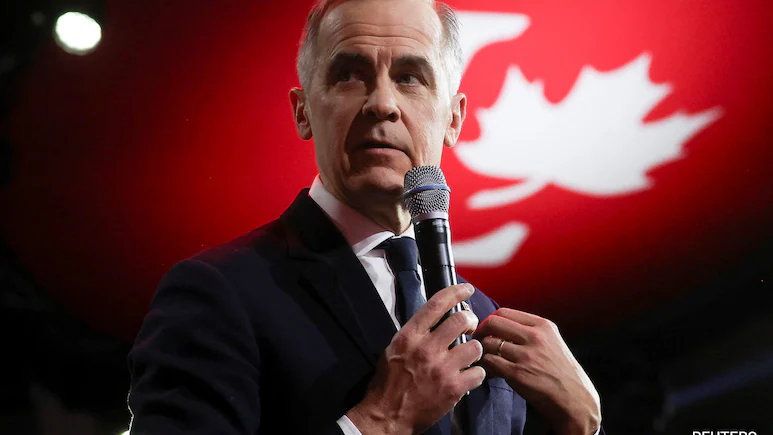
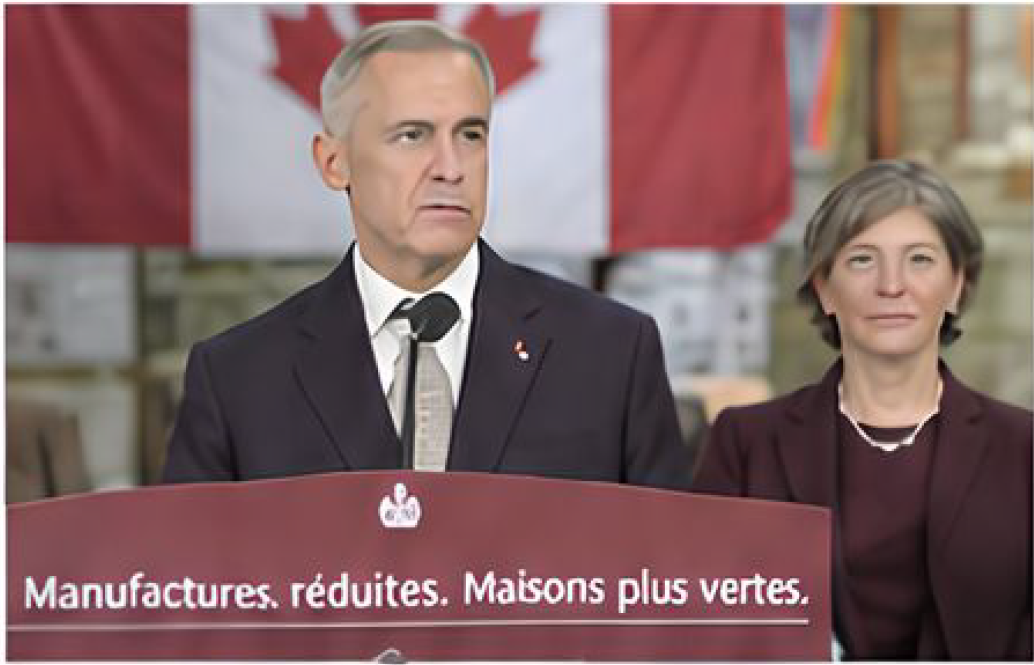
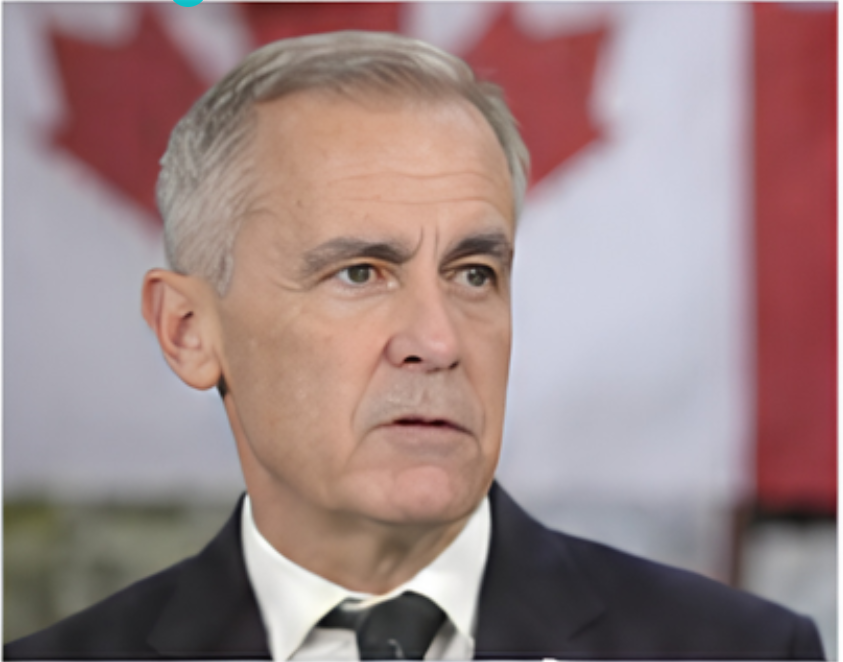
STRASBOURG, FRANCE — Canadian Prime Minister Mark Carney on Thursday urged a new alliance with Europe, pitching greater cooperation with the European Union as a bulwark against growing global pressures, including trade tensions with the United States.
Speaking at the European Parliament in Strasbourg, Carney said Canada welcomes the EU’s proposal to explore a special partnership and is ready to work more closely with the 27-nation bloc on critical issues such as artificial intelligence, defence, energy, and clean technology.
“Europe and Canada are stronger together,” the Prime Minister said, drawing a standing ovation from lawmakers.
EU Leaders Extend Hand
The push for closer ties came after European Commission President Ursula von der Leyen suggested on Wednesday that Canada could become the EU’s first “associate member.” While EU treaties do not currently provide for such a status, the proposal signals a willingness to deepen cooperation beyond the existing free-trade agreement.
Carney said Canada “welcomes this ambition” and is eager to expand collaboration in areas ranging from digital trade and space to young people’s mobility and education.
Pushback to Trump
The Canadian leader also addressed U.S. President Donald Trump’s threat to cut trade with the EU if the plan goes ahead, calling it an attempt to “dictate” Canada’s choices.
“No one is going to dictate our culture, or with whom we can strike agreements internationally,” Carney told reporters.
He also stressed that the proposed alliance was not intended to be antagonistic toward Washington.
“A stronger, more resilient Canada will be a more effective partner with the United States,” Carney said.
Building a More Resilient Future
Carney emphasised that the alliance would not be antagonistic to the United States but rather a “positive” initiative to make Canada stronger and more resilient in a changing global order.
“We are pursuing resilience so no one, no one can control our open markets, impair our sovereignty, threaten our territorial integrity, or undermine our freedoms, our democracies, our rule of law,” he said.
Canada could help Europe secure supplies of critical raw materials and contribute to its energy needs through liquefied natural gas and hydrogen. The two sides are also looking at cooperation in artificial intelligence, computing, space and digital payments.
The Canadian leader called for progress toward “seamless digital trade” and greater opportunities for young people to work and study on either side of the Atlantic.
Von Der Leyen’s Proposal
Von der Leyen said the partnership was “not against anyone else,” arguing that stronger cooperation could help Europe and Canada address shared challenges.
Her proposal, however, drew an irritated response from U.S. President Donald Trump, who described the idea as “laughable” and warned of potentially imposing “very heavy tariffs” on Europe if the plan moves forward.
Trump told reporters that the proposal could be viewed as a “hostile act.”
Support and Caution
Spain’s Prime Minister Pedro Sanchez publicly backed the idea, posting an image of a red maple leaf just outside the circle of golden stars on the EU’s flag.
French Foreign Minister Jean-Noel Barrot also said Paris supported “ever-closer ties with Canada,” but noted that the proposal would need to be “debated, scrutinised and analysed” by EU member states.
One EU official said the bloc needed to remain “realistic and pragmatic” about what more it could achieve.
A Stronger Partnership
The EU and Canada already have the CETA free-trade agreement, which eliminated almost all tariffs between the two sides. Trade in goods and services has increased by more than 80 percent since 2016.
Canada also became the first non-EU country to join a flagship European defence loan programme this year, underscoring growing strategic cooperation.
A European diplomat, speaking on condition of anonymity, said EU countries were keen to continue strengthening relations with Canada regardless of what the partnership was ultimately called.
Montreal Summit Ahead
Carney’s visit to Strasbourg is expected to set the stage for an upcoming EU-Canada summit in Montreal next month, where further details of the proposed partnership are likely to be discussed.
The contours of the proposed “associate member” status remain unclear, as EU treaties do not currently establish such a category.
Carney said the name mattered less than the substance of the relationship:
“What matters is the substance — what are we actually building together?”
Key Highlights
- Canada welcomes the EU’s proposal for a closer partnership.
- Carney called for deeper cooperation on AI, defence, energy and critical minerals.
- Canada rejected U.S. pressure over potential agreements with Europe.
- The EU-Canada relationship already includes the CETA free-trade agreement.
- Both sides are exploring cooperation in digital trade, space, energy and technology.
- An EU-Canada summit is expected to take place in Montreal next month.
A New Chapter in Transatlantic Ties
The proposal for an associate status remains undefined, but the message from both sides is clear: Canada and Europe want to build a deeper, more resilient partnership — one that can withstand global uncertainty and create new opportunities for future generations.