










CA former federal scientific adviser has raised serious concerns over Canada’s newly enacted Bill C- 30, arguing the legislation could weaken pesticide regulations by allowing political decisions to override scientific assessments of environmental and health risks.
Bruce Lanphear, a physician and public health researcher who resigned from Health Canada’s independent pesticide science advisory committee in 2023, says the country’s pesticide oversight system was already struggling before the latest legislative changes.
According to Lanphear, Bill C-30 gives the federal Cabinet authority to approve or continue the temporary use of certain pesticides even when Health Canada’s experts have determined that the environmental risks are unacceptable, provided the government cites national or regional economic or food security concerns.
He argues that such powers could reduce the role of independent science in pesticide regulation.
Government Defends the Changes
Federal officials have defended the legislation, saying the new authority is intended only for exceptional circumstances.
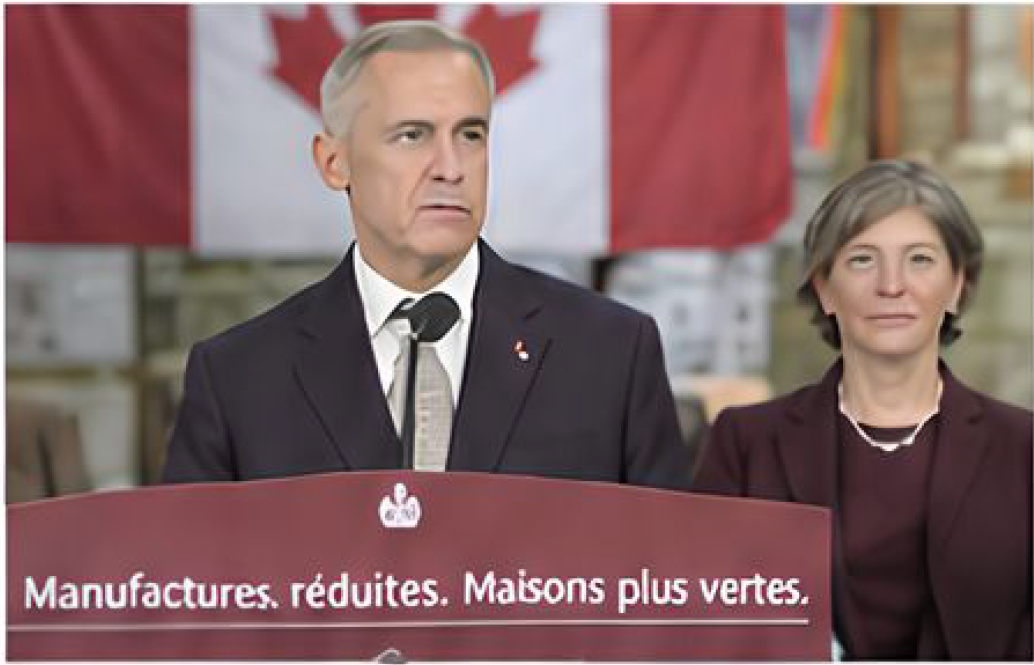
Health Minister Marjorie Michel’s office said the amendments are designed to protect Canadians while also supporting food security during emergencies. Officials stressed that any use of the new powers would require clear justification and would not be exercised routinely.
Scientists Express Concern
Several scientists and environmental advocates have criticized the legislation, warning that it could weaken long-standing safeguards.
University of Saskatchewan ecotoxicologist Christy Morrissey said Canada’s pesticide approvals already rely heavily on mitigation measures instead of outright bans. She fears allowing political intervention in scientific decisions could further reduce protections for ecosystems and public health.
Morrissey also questioned proposals to modify Canada’s pesticide re-evaluation process, arguing continuous scientific monitoring is preferable to extending review timelines.
Health Risks Under Debate
Lanphear rejects the long-standing assumption that low levels of exposure to toxic chemicals are always safe.
He argues that chronic exposure to small amounts of pesticides across large populations may contribute to diseases including cancer, neurological disorders and other long-term health conditions.
According to him, regulators should pay greater attention to the cumulative effects of multiple chemical exposures rather than evaluating each substance in isolation.
Environmental organizations have echoed these concerns, saying stronger scientific oversight—not weaker regulation—is needed as evidence continues to emerge about the long-term impacts of pesticide exposure.Scientists Express Concern
Several scientists and environmental advocates have criticized the legislation, warning that it could weaken long-standing safeguards.
University of Saskatchewan ecotoxicologist Christy Morrissey said Canada’s pesticide approvals already rely heavily on mitigation measures instead of outright bans. She fears allowing political intervention in scientific decisions could further reduce protections for ecosystems and public health.
Morrissey also questioned proposals to modify Canada’s pesticide re-evaluation process, arguing continuous scientific monitoring is preferable to extending review timelines.
Health Risks Under Debate
Lanphear rejects the long-standing assumption that low levels of exposure to toxic chemicals are always safe.
He argues that chronic exposure to small amounts of pesticides across large populations may contribute to diseases including cancer, neurological disorders and other long-term health conditions.
According to him, regulators should pay greater attention to the cumulative effects of multiple chemical exposures rather than evaluating each substance in isolation.
Environmental organizations have echoed these concerns, saying stronger scientific oversight—not weaker regulation—is needed as evidence continues to emerge about the long-term impacts of pesticide exposure.
Emergency Pesticide Approvals
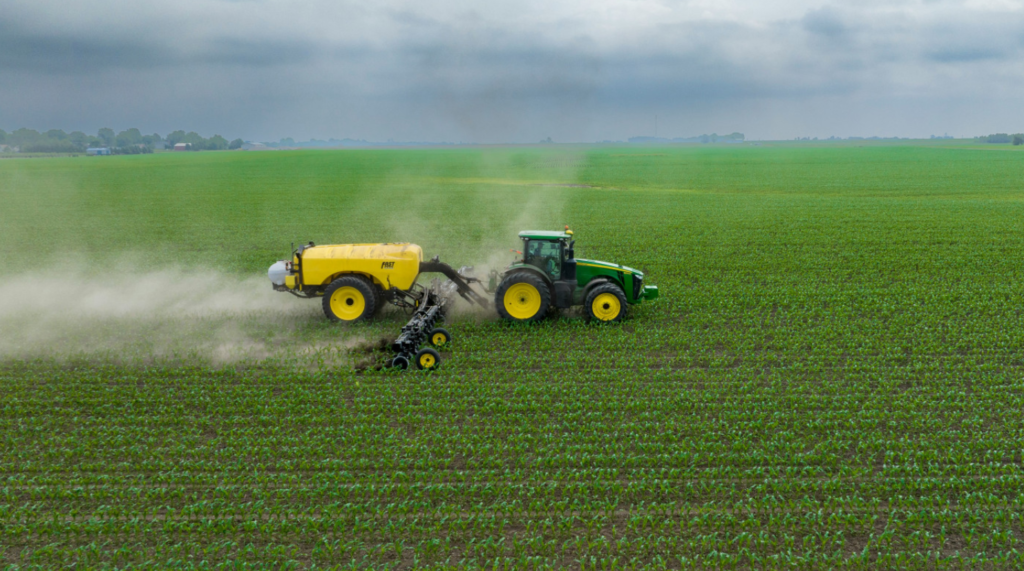
The debate follows the federal government’s emergency authorization allowing the temporary use of strychnine in parts of Alberta and Saskatchewan to combat severe Richardson’s ground squirrel infestations.
The government said the measure was necessary to protect agricultural production and reduce significant economic losses.
However, wildlife groups argued that strychnine is highly toxic and poses risks to non-target species and ecosystems.
Climate Change and Food Security
Lanphear and other public health experts also challenged the argument that weaker pesticide regulations improve food security.
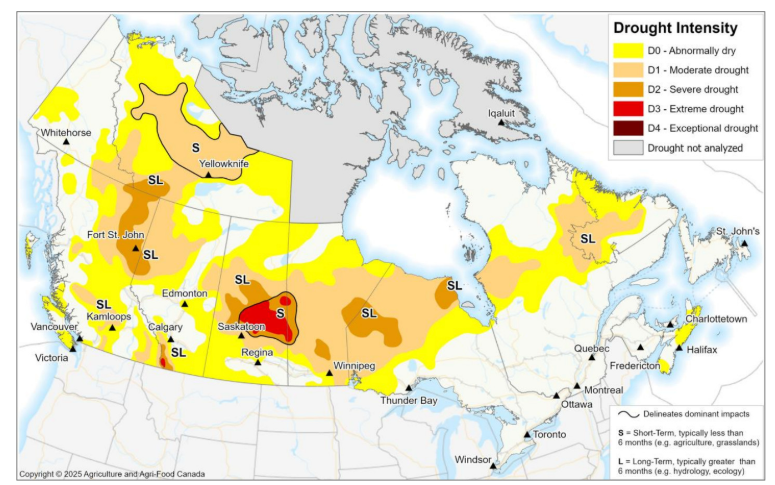
They contend that climate change remains the greatest long-term threat to agricultural production through drought, heatwaves and extreme weather, making stronger environmental protections increasingly important.
International agencies have similarly warned that rising temperatures are reducing agricultural productivity worldwide.
Call for Stronger Scientific Independence
Lanphear believes Canada’s pesticide regulatory framework needs greater scientific independence rather than increased political discretion.
He says regulatory decisions should be guided primarily by evidence on human health and environmental impacts instead of short-term economic pressures.
The former adviser also argues that modern chemical regulation should account for cumulative exposures and emerging scientific evidence, warning that delaying action until definitive proof exists could expose populations to preventable health risks.